



When Russian importers contact a freight forwarder in China, one of the first questions is usually simple: How much will it cost to transport the cargo to Russia?
However, a freight quote cannot be calculated accurately from the destination and cargo weight alone. Two shipments going to the same city can have very different transportation requirements. The number of packages, cargo dimensions, pickup location, delivery address and customs arrangements all matter.
This is also why an initial price estimate may change after the logistics company receives the complete shipment information.
If you are planning to ship goods from China to Russia, preparing a few details before requesting a quotation can save time and help you avoid unexpected costs later.
The first thing a freight forwarder needs to understand is what is being transported.
A general description such as "general cargo" is not always enough. Importers should provide the actual product name and, where possible, a brief description of its use and packaging.
The following information is useful:
Product name: What exactly are you shipping?
Cargo quantity: How many cartons, pallets or packages are there?
Gross weight: What is the total weight, including packaging?
Cargo volume: How much space does the shipment occupy?
Packaging type: Is the cargo packed in cartons, wooden cases, pallets or another form?
If the goods are already packed, providing the final packaged dimensions is particularly important.
For example, a shipment weighing 2,000 kg may occupy relatively little space, while another shipment of the same weight may require significantly more loading space. This can affect vehicle allocation and the transportation price.
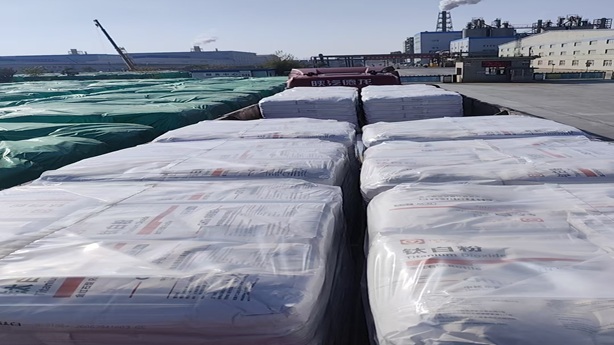
It is also helpful to send photographs of the cargo and packaging. A few clear pictures can help the logistics team understand the shipment more quickly, especially when the cargo has unusual dimensions or requires special handling.
Weight and volume are two of the most important details when calculating freight charges.
However, importers sometimes provide only an estimated weight or the dimensions of the product itself, forgetting to include the packaging.
For transportation planning, the relevant measurements should normally be taken after the cargo has been packed.
For each package or pallet, provide:
Length
Width
Height
Gross weight
Quantity

For example:
| Cargo Information | Example |
|---|---|
| Package type | Wooden pallets |
| Number of pallets | 10 |
| Dimensions per pallet | 120 × 100 × 150 cm |
| Total gross weight | 4,500 kg |
| Total volume | 18 m³ |
These figures are only an example. Actual measurements should be provided for each shipment.
There is another detail worth mentioning: whether the cargo can be stacked.
If pallets cannot be stacked because of their structure or packaging, they may occupy more usable loading space than their calculated volume suggests.
For this reason, importers should mention any stacking restrictions when requesting a quotation.
Saying that cargo needs to be transported from China to Moscow is a useful starting point, but it is not enough to arrange an accurate shipment quotation.
The pickup location in China and the final delivery location in Russia can make a considerable difference.
A shipment collected from a factory in Suzhou may require a different domestic transportation arrangement from one collected in Guangzhou or Yiwu.
The same applies to the Russian destination.
Delivery to a logistics warehouse outside Moscow is not necessarily the same as delivery to a commercial address inside the city.
Before requesting a quotation, try to provide:
Pickup information in China
City and province
Factory or warehouse address
Whether the cargo is ready for collection
Whether loading equipment or assistance is available
Delivery information in Russia
Destination city
Warehouse or business address, if available
Whether unloading is required
Any restrictions on truck access or delivery times
If the exact warehouse address is not yet confirmed, provide the destination city first and inform the freight forwarder that the address is still pending.
This allows the logistics company to make an initial assessment without treating an incomplete destination as a confirmed delivery point.
Not every importer expects the same service from a logistics company.
Some buyers only need international transportation from China to Russia. Others require cargo collection from a Chinese supplier, export customs arrangements and delivery to a specified warehouse.
These are different service scopes and should not be mixed together in a quotation.
Before requesting a price, clarify what you actually need:
Pickup from the supplier's factory
Domestic transportation within China
Export customs clearance
International transportation
Russian import customs clearance
Final delivery to the agreed address
Unloading or additional handling, if required
The delivery terms agreed between the buyer and seller are also important.
For example, under DAP, the seller arranges transportation to the agreed destination, while the buyer generally handles import customs clearance and applicable import duties and taxes.
Under DDP, the seller takes responsibility for import clearance and applicable duties and taxes, subject to the agreed arrangement and applicable regulations.
These differences can significantly affect what a quotation includes.
If you are unsure about the responsibilities involved, our article on DDP Shipping: DDP vs. DAP and Who Pays for Customs Duties and Taxes explains the differences in more detail.
For the official interpretation of international delivery terms, importers can also refer to the International Chamber of Commerce's Incoterms® 2020 information.
The required delivery date is another detail that should be discussed before a quotation is prepared.
For some businesses, a few additional days may not make much difference. For others, late delivery can affect warehouse inventory, production schedules or commitments to their own customers.
Instead of simply saying that the cargo needs to arrive as soon as possible, explain your actual requirement.
For example:
When will the goods be ready at the supplier's warehouse?
Is there a preferred loading date?
Does the shipment need to arrive before a specific date?
Is the delivery date flexible?
Would a more direct transportation arrangement be preferable?
This information helps the logistics company assess whether the proposed transportation arrangement is suitable.
For shipments from China to Russia, TIR direct truck transportation may be worth considering when delivery time and reduced cargo handling are important.
DR Trans provides China–Russia TIR truck transportation, with its own truck fleet and logistics coordination.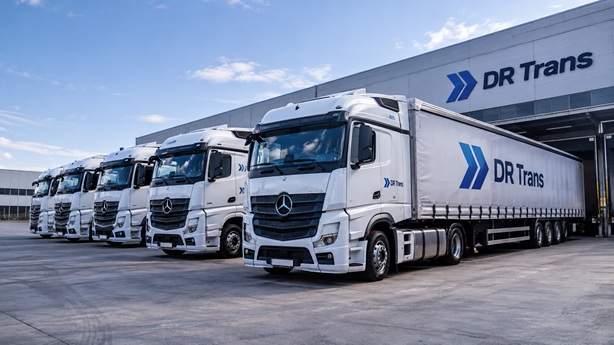
The appropriate arrangement still depends on the cargo, origin, destination and actual border conditions.
Transportation information alone does not always provide enough detail for an international freight quotation.
The cargo must also meet the relevant export, transit and import requirements.
Where available, importers should provide:
Commercial invoice
Packing list
Product description
HS code, if known
Country of origin
Relevant product certificates or permits, where required
The HS code is particularly useful because customs classification can affect import duties, regulatory requirements and the documents needed for clearance.
If you do not know the correct HS code yet, do not guess. Provide a detailed product description and ask the relevant customs specialist to review the classification.
It is also important to disclose whether the cargo contains batteries, chemicals, temperature-sensitive goods or other items that may require special transportation arrangements.
Leaving out this information at the quotation stage can create problems later, when a vehicle has already been arranged or the shipment is approaching the border.
Importers often contact several freight forwarders and receive different prices for what appears to be the same shipment.
This does not necessarily mean that one company is overcharging.
The difference may come from the actual services included in the quotation.
For example, one quotation may cover only international transportation, while another includes pickup in China, export customs arrangements and delivery to the final destination.
Other differences may involve:
Transportation route
Vehicle allocation
Cargo handling arrangements
Customs service scope
Delivery location
Additional charges and waiting time
Cargo insurance, if requested
A low initial price is not always the most economical choice if important services are excluded.
When comparing quotations, ask each freight forwarder to confirm the same basic points:
| What to Check | Why It Matters |
|---|---|
| Transportation route | Different routes may involve different arrangements |
| Pickup and delivery | Confirms whether local transportation is included |
| Customs arrangements | Clarifies who handles each customs procedure |
| Additional charges | Helps identify possible extra expenses |
| Estimated transit time | Makes delivery expectations clearer |
| Quotation validity | Confirms how long the offered price remains applicable |
It is better to compare quotations with the same shipment information and service scope rather than comparing the final numbers alone.
Before contacting a logistics company, make sure you have prepared the following information.
Basic shipment details
Product name and description
Number of packages or pallets
Total gross weight
Dimensions and total volume
Cargo photographs, if available
Transportation details
Pickup city and address in China
Destination city and address in Russia
Expected cargo-ready date
Required delivery schedule
Whether loading and unloading assistance is needed
Customs and service requirements
HS code, if available
Commercial invoice and packing list
Required customs clearance arrangements
Agreed delivery terms, such as DAP or DDP
Any special cargo handling requirements
You do not need to have every document ready before making an initial enquiry. However, the more accurate the information you provide, the easier it is for a freight forwarder to assess the shipment and prepare a meaningful quotation.
At DR Trans, we understand that every shipment has its own requirements. Before recommending a transportation arrangement, it is important to understand the cargo, collection location, destination and expected delivery schedule.
We provide international freight transportation from China to Russia, with a particular focus on TIR direct truck transportation.
Our logistics services are supported by:
Our own truck fleet
China–Russia TIR road transportation
Full truckload and less-than-truckload arrangements
Cargo loading and securing coordination
Shipment monitoring and logistics updates
Customs documentation and transportation coordination
For businesses looking for a more direct road transportation solution, our team can assess whether TIR trucking is suitable for the shipment.
If you are planning to ship goods from China to Russia, send us the cargo details, pickup location and destination. Our team can review your requirements and discuss a suitable transportation arrangement.
Request a freight quotation from DR Trans:
You can also contact our team directly:
Email: arthur@dear-railway.com
WhatsApp: +86 139 5844 9762
Phone: +86 551 6281 6697
A clear quotation starts with clear shipment information. Preparing these details in advance makes it easier to discuss the right transportation solution before the cargo leaves China.

 IPv6 دعم الشبكة