

الخدمات اللوجستية لسلسلة التبريد يُعدّ نقل البضائع الحساسة لدرجة الحرارة أمرًا بالغ الأهمية في مختلف الصناعات، كالأدوية والتكنولوجيا الحيوية والأغذية. ففي حلول سلسلة التبريد المصممة جيدًا، تبقى المنتجات، بدءًا من اللقاحات وصولًا إلى الأغذية الطازجة، ضمن نطاقات حرارية محددة بدقة في كل مرحلة من مراحل النقل. وهذا يضمن السلامة والجودة والامتثال للمعايير.
يُسهم الحفاظ على سلسلة تبريد موثوقة في حماية جودة المنتج وقيمته. وتُقلل حلول إدارة سلسلة التبريد الفعّالة من التلف والهدر والتكاليف. فعلى سبيل المثال، يُمكن للمراقبة الدقيقة لدرجة الحرارة باستخدام مسجلات البيانات وأجهزة التتبع أن تُطيل فترة صلاحية السلع القابلة للتلف. ومن خلال فهم درجات حرارة التخزين والتحكم بها، يتجنب المصنّعون الخسائر الباهظة الناتجة عن تلف الدفعات. كما تضمن إدارة الخدمات اللوجستية لسلسلة التبريد الامتثال للوائح: ففي صناعة الأدوية، تنص قواعد ممارسات التوزيع الجيدة (GDP) على ضرورة بقاء الأدوية ضمن نطاقات درجات حرارة محددة (غالبًا من 2 إلى 8 درجات مئوية) أثناء الشحن. وتتطلب ممارسات التوزيع الجيدة استخدام مركبات مبردة مؤهلة ومخازن مُجهزة، بالإضافة إلى المراقبة المستمرة والتوثيق. باختصار، تُحافظ سلسلة التبريد القوية على سلامة المنتجات وامتثالها للمواصفات وفعاليتها من حيث التكلفة.
يُعدّ حلّ سلسلة التبريد المتكاملة منظومة متكاملة من العمليات والمعدات والخبرات التي تحافظ على البضائع في درجة الحرارة المناسبة من المنشأ إلى الوجهة. فيما يلي العناصر التسعة الأساسية لسلسلة تبريد ناجحة:
1. التكنولوجيا: تربط التقنيات الحديثة كل شيء ببعضه. ويشمل ذلك التغليف الحراري المتقدم (الحاويات المعزولة، ومواد تغيير الطور) وأنظمة التحكم القائمة على البيانات. تستخدم التصاميم الذكية مبادئ الديناميكا الحرارية للحفاظ على درجة الحرارة داخل العبوات. يستخدم مزودو سلسلة التبريد الرائدون حاويات شحن معزولة جاهزة للاستخدام ومبردات فعالة، بالإضافة إلى تحليلات البيانات، لتصميم حلول هندسية. على سبيل المثال، تتيح أجهزة الاستشعار المتصلة بإنترنت الأشياء وبرامج الحوسبة السحابية تتبع درجة الحرارة والموقع في الوقت الفعلي. تساعد هذه الأدوات الرقمية على تجنب الانحرافات وتسريع الاستجابة في حال حدوث أي مشكلة.
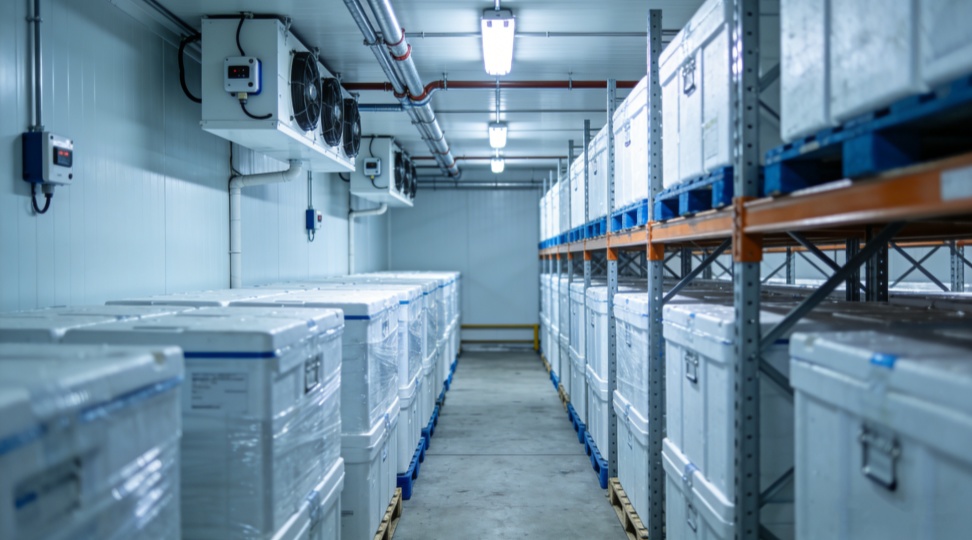
2. التخزين: يحتاج كل مكون ومنتج إلى بيئة تخزين مناسبة. تبدأ سلسلة التبريد في المستودعات المبردة أو غرف التبريد أو المجمدات في المصانع. قد يتطلب كل منتج (وجبة مجمدة، لقاح، عينة مختبرية، إلخ) إعدادات محددة لدرجة الحرارة والرطوبة. تُعد غرف التبريد المؤهلة وغرف التبريد الكبيرة جزءًا من هذه السلسلة. من خلال الحفاظ على برودة المواد الأولية منذ البداية، نضمن عدم خروج أي منها من مصدرها وهي متضررة.
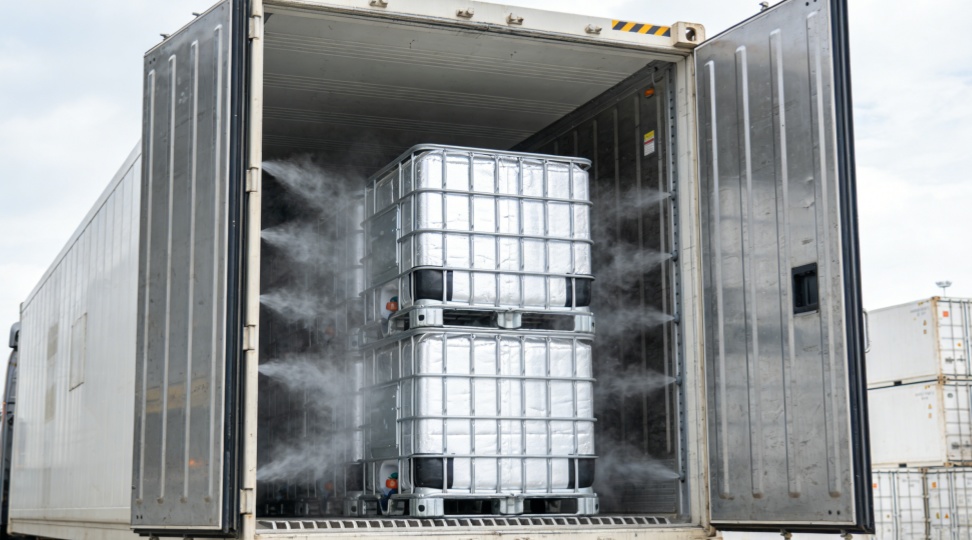
3. التغليف: يُعدّ التغليف الحراري الصحيح أمرًا بالغ الأهمية. تختلف احتياجات كل منتج: فبعضها يتطلب ظروفًا مجمدة، بينما يحتاج البعض الآخر إلى درجات حرارة منخفضة فقط. تتراوح أنواع التغليف من حافظات التبريد المصنوعة من الفوم المعزول إلى عبوات الثلج الهلامية وصولًا إلى الحاويات المبردة. على سبيل المثال، يختلف تغليف الكعكة المبردة عن تغليف اللقاح المجمد اختلافًا كبيرًا. يُحافظ استخدام الصندوق والبطانة ومادة التبريد المناسبة على سلامة الحمولة. يمتلك الموردون الجيدون مجموعة من حاويات الشحن الحرارية القابلة لإعادة الاستخدام أو التي تُستخدم لمرة واحدة، ويعرفون أيها الأنسب لكل حالة على حدة.
4. المراقبة: يُعدّ تتبّع ظروف سلسلة التبريد باستمرار أمرًا بالغ الأهمية. تستخدم أنظمة مراقبة سلسلة التبريد أجهزة استشعار إنترنت الأشياء، ومسجلات البيانات، وعلامات RFID، وأنظمة تحديد المواقع العالمية (GS)، وأجهزة البلوتوث لمراقبة درجات الحرارة والرطوبة والصدمات في الوقت الفعلي. تُرسل هذه الأنظمة بيانات متواصلة إلى فرق الخدمات اللوجستية. في حال تعطل مُجمّد أو توقف شاحنة لفترة طويلة، يتم تنبيه فرق الإطفاء فورًا. هذه الرؤية الآنية - التي نوقشت في أخبار سلسلة التبريد اللوجستية - تُحوّل الخسائر المحتملة إلى أحداث يُمكن السيطرة عليها. وكما أشار أحد الخبراء، فإن "بيانات درجة الحرارة والموقع الآنية... تضمن إدارة استباقية للمخاطر". من خلال توفير هذه الرؤية في كل لحظة، يُمكن للفرق التدخل بسرعة للحفاظ على سلامة المنتجات.
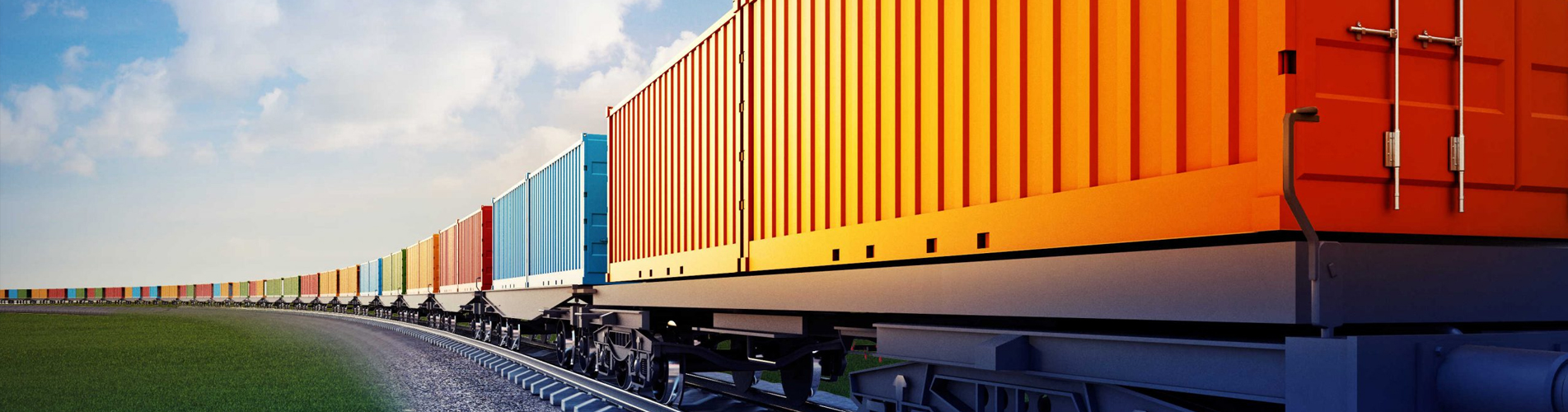
5. النقل: يُعدّ نقل المنتجات عبر القارات جوهر سلسلة التبريد. ويشمل ذلك الشاحنات، وعربات السكك الحديدية، والشحن الجوي، وحاويات الشحن البحري المبردة. ويجب التحكم بدرجة الحرارة في كل وسيلة نقل. فعلى سبيل المثال، تحافظ شاحنات التبريد أو حاويات التبريد ISO على برودة البضائع خلال الرحلات الطويلة. وتخطط شركات النقل المتخصصة مساراتها لتقليل التأخيرات وتجنب المناطق عالية الخطورة. ولأن المنتج قد ينتقل من آسيا إلى أوروبا عبر مراحل متعددة، يجب الحفاظ على التحكم بدرجة الحرارة من التحميل وحتى التسليم النهائي. وتنشأ العديد من المشاكل في أخبار سلسلة التبريد اللوجستية من تأخيرات النقل، لذا يُعدّ التخطيط للطوارئ (مثل التخزين الاحتياطي في الموانئ، وتغيير المسار، وما إلى ذلك) جزءًا أساسيًا من هذا العنصر.
6. الجمارك والامتثال: يُضيف عبور الحدود تعقيداتٍ إضافية. وتُعدّ الوثائق اللازمة (التخليص الجمركي، والشهادات الصحية) عنصرًا أساسيًا. فعدم إتمام التخليص الجمركي في الوقت المحدد قد يُؤدي إلى ترك البضائع دون تبريد، مما يُعرّضها لخطر التلف. ويشمل حلّ سلسلة التبريد إدارة الأوراق ومعرفة المتطلبات التنظيمية في كل دولة. عمليًا، يعني هذا وجود متخصصين يُعنون بقواعد الاستيراد والتصدير ويُنسّقون عمليات التفتيش، لضمان سرعة تخليص الشحنات. كما يُمكن للحلول المتقدمة استخدام مسارات جمركية سريعة أو مستودعات جمركية لتوفير الوقت.
7. المؤهلات: يجب اختبار كل شحنة ضمن سلسلة التبريد والتأكد من مطابقتها للمواصفات. وهذا يعني إجراء دراسات تأهيلية على التغليف والعمليات. في صناعة الأدوية، تتطلب ممارسات التوزيع الجيدة (GDP) تأهيلاً حرارياً يشمل: تأهيل التصميم (DQ)، والتأهيل التشغيلي (OQ)، وتأهيل الأداء (PQ) لإثبات أن النظام يعمل كما هو مخطط له. بعبارة أخرى، قبل استخدام أي تغليف أو مسار جديد، تحاكي الشركات أسوأ الظروف (ارتفاع درجة الحرارة المحيطة، وطول مدة النقل) لضمان بقاء درجات الحرارة آمنة. يساهم التأهيل السليم في بناء الثقة وتوثيق أن حلول سلسلة التبريد الخاصة بكم تفي بمعايير الصناعة.
8. إدارة المنتج: يشمل ذلك كل شيء بدءًا من التخزين وحتى الموظفين. يُعدّ امتلاك مرافق تخزين مناسبة وموظفين مدربين أمرًا أساسيًا. تحتاج المواد القابلة للتلف إلى تخزين بارد متوافق مع المعايير في مراكز التوزيع، وليس فقط أثناء النقل. يجب أن تتتبع أنظمة المخزون أرقام الدُفعات وتواريخ انتهاء الصلاحية. يقوم عمال مناولة ماهرون بتحميل وتفريغ البضائع في الوقت المناسب. باختصار، تعني إدارة المنتج تخطيط التدفق الكامل: من تخزين المنصات المجمدة، إلى الانتقاء والتعبئة، إلى الشحن. يشمل ذلك أيضًا معايرة جميع المعدات (المجمدات، الشاحنات) والحفاظ على الإمدادات الاحتياطية (مثل عبوات الثلج الإضافية). عند إدارتها بشكل جيد، لا يتعرض تدفق المنتج أبدًا لخطر التلف أو الالتباس.
9. التسليم: المرحلة الأخيرة من عملية التوصيل هي المرحلة التي قد تحدث فيها معظم المشاكل. كما تتطلب عملية التوصيل عناية خاصة. يجب على السائقين وفرق الاستلام اتباع إجراءات التشغيل القياسية لضمان عدم ترك البضائع في شاحنة دافئة أو ساحة تخزين. جدول التوصيل دقيق للغاية، فنحن نتتبع الشحنة حتى تسليمها إلى باب المصنع أو الصيدلية. أي تأخير (بسبب الازدحام المروري أو العنوان الخاطئ) يُطلق إنذارًا. غالبًا ما يُرفق الموردون قوائم مراجعة للتوصيل، بل وحتى خطوات إعادة المحاولة، لضمان وصول البضائع إلى المستخدمين النهائيين في الوقت المحدد. باختصار، يُخطط حل سلسلة التبريد الجيد لكل مراحل التوصيل حتى التسليم النهائي، لأن المخاطر (مثل تأخيرات التفريغ أو التوجيه الخاطئ) تكون في ذروتها عند نقطة النهاية.
كل عنصر من هذه العناصر مترابط. تتعامل حلول إدارة سلسلة التبريد الحديثة معها كأجزاء من منظومة متكاملة - نظام بيئي من التكنولوجيا والعمليات والخبرات. على سبيل المثال، قد يجمع مزود الخدمة بين التغليف المعزول المتقدم (العنصر 3) ومراقبة إنترنت الأشياء (العنصر 4) وتخطيط المسارات باستخدام نظم المعلومات الجغرافية (العنصر 5) لتقديم حل متكامل.
يبدأ تصميم حلول سلسلة التبريد بطرح الأسئلة الصحيحة والتخطيط لكل التفاصيل. فيما يلي أهم العوامل التي يجب مراعاتها، والتي غالبًا ما تُصاغ على شكل أسئلة رئيسية:
المنتج ودرجة الحرارة: ما هي المنتجات التي تشحنها، وما هي درجات الحرارة المطلوبة لها؟ هل تحتوي الشحنة الواحدة على عدة منتجات؟ إذا كانت الشحنة تحتوي على منتجات متنوعة، فهل سترسلها معًا أم بشكل منفصل؟ ما هي درجات الحرارة الدنيا والقصوى المسموح بها لكل منتج؟ يجب أن تراعي خطة الشحن جميع نطاقات درجات الحرارة التي سيتعرض لها المنتج (درجة حرارة الغرفة، التبريد، التجميد) أثناء النقل.
متطلبات التخزين: ما هي احتياجات التخزين لديك في كل من نقطة المنشأ ونقطة الوصول؟ هل تتطلب أجزاء من سلسلة التوريد الخاصة بك (المصانع، المستودعات) مجمدات أو غرف تبريد متخصصة؟ هل تمتلك هذه المرافق، أم ستستعين بخدمات لوجستية تعاقدية؟ في حال وجود مراحل متعددة (مثل مستودع المكونات، التصنيع، التعبئة والتغليف)، قد تختلف مواصفات كل مرحلة. تعمل حلول إدارة سلسلة التبريد الجيدة على تحديد كل نقطة تخزين على طول المسار والتأكد من استيفائها للمتطلبات.
التغليف والتكنولوجيا: ما هي تقنية التغليف التي تضمن سلامة منتجك؟ هل يُفضل استخدام مواد تبريد قابلة لإعادة الاستخدام أم عبوات ثلج للاستخدام لمرة واحدة؟ ما هي مدة احتفاظ العبوة غير المزودة بمصدر حرارة بدرجة الحرارة مقارنةً باستخدام عبوة مزودة بمصدر طاقة؟ هل تتوفر إمكانية استخدام بطانات حرارية مخصصة أو مواد تغيير الطور؟ يجب اختبار التصميم باستخدام التحليل الحراري. كما تسأل: ما هي تقنية مراقبة درجة الحرارة التي يجب استخدامها؟ هل يشمل الحل مسجلات بيانات أو تنبيهات فورية لدرجة الحرارة؟
وسيلة النقل والوقت: كيف سيتم نقل المنتجات وكم ستستغرق مدة النقل؟ هل ستستخدمون النقل البري، أم السكك الحديدية، أم الجوي، أم البحري؟ النقل البري شائع في أوروبا، لكن النقل الجوي قد يكون أسرع (وإن كان أغلى) للشحنات العاجلة. يمكن للشحن البحري نقل كميات كبيرة إلى آسيا، ولكنه يستغرق وقتًا أطول. يؤثر هذا الاختيار على الحماية الحرارية المطلوبة. على سبيل المثال، يتطلب النقل البحري لمدة 10 أيام عزلًا حراريًا أقوى أو تبريدًا فعالًا مقارنةً بالنقل بالشاحنات لمدة 12 ساعة. يؤثر وقت النقل بشكل مباشر على مخاطر تغيرات درجة الحرارة.
العوامل الجغرافية والتنظيمية: ما هي الطرق والبلدان التي ستعبرها؟ بالنسبة للشحنات بين أوروبا وآسيا، ضع في اعتبارك الجمارك، وإمكانية إعادة التخليص، والظروف المحلية (بعض المناطق تفتقر إلى بنية تحتية جيدة للتبريد). هل ستشحن بين مناطق زمنية أو مناخية مختلفة (صيف حار مقابل شتاء حار)؟ قد يؤثر كل عامل على متطلبات التغليف أو التحكم في درجة الحرارة. كذلك، استفسر عن اللوائح: هل هناك أي مناطق تتطلب شهادات خاصة (مثل شهادات ممارسات التوزيع الجيدة، ونظام تحليل المخاطر ونقاط التحكم الحرجة، والتخزين الحلال، إلخ)؟
إدارة المخاطر والخطط الطارئة: ما هي المشاكل المحتملة وكيف ستتعامل معها؟ حدد أسباب التأخير المحتملة (مثل الاختناقات الجمركية، والإضرابات، والظروف الجوية القاسية) وجهّز خططًا بديلة. على سبيل المثال، احتفظ بشاحنات مبردة احتياطية جاهزة، أو استخدم طرقًا بديلة، أو جهّز الثلج الجاف للطوارئ. درّب فريقك على التعامل مع الحوادث (مثل انقطاع التيار الكهربائي). تشمل الحلول الجيدة التنبيهات الفورية وخطط التصعيد لحل المشاكل قبل تلف المنتج.
من خلال الإجابة المنهجية على هذه الأسئلة، يمكنك تصميم حلول سلسلة التبريد بما يتناسب مع منتجاتك وسلسلة التوريد الخاصة بك. غالبًا ما يؤدي ذلك إلى قائمة مرجعية مفصلة أو مخطط اتخاذ قرارات. على سبيل المثال، يمكنك إدراج "استخدام منصات شحن معزولة مزودة بأجهزة تتبع مباشرة لجميع شحنات التكنولوجيا الحيوية التي تستغرق أكثر من 48 ساعة، والتأكد دائمًا من إتمام التخليص الجمركي باستخدام مسار XYZ الجمركي". إن التصميم الشامل مسبقًا يمنع الأخطاء المكلفة لاحقًا.
بصفتنا مزودًا لخدمات النقل المبرد في أوروبا وآسيا، تقدم DR Trans حلولًا متكاملة مصممة خصيصًا لتلبية احتياجات المصنّعين. نجمع العناصر المذكورة أعلاه في خدمة شاملة. على سبيل المثال، تخضع جميع مركباتنا المبردة للتحقق من معايير الجودة العالمية (GDP) ويتم تحديد خصائصها الحرارية سنويًا. هذا يعني أن جميع المقطورات مؤهلة مسبقًا للحفاظ على درجة حرارة تتراوح بين 2 و8 درجات مئوية أو أقل، ونتحقق من أدائها قبل كل رحلة. تحمل كل مقطورة ما يصل إلى ستة أجهزة استشعار لدرجة الحرارة معايرة مسبقًا ونظام تحديد المواقع العالمي (GPS) يعمل على مدار الساعة طوال أيام الأسبوع. يراقب مركز عملياتنا هذه القراءات في الوقت الفعلي وينبهنا إلى أي خلل. باختصار، نوفر "نقلًا شاملًا عبر الحدود... مع تحكم كامل في درجة الحرارة" لضمان "بقاء الأغذية والأدوية في أفضل حالة أثناء النقل".
خدمات دي آر ترانس: نتولى شحنات سلسلة التبريد لقطاعات مثل الأدوية والتكنولوجيا الحيوية والمواد سريعة التلف. يضم أسطولنا شاحنات مبردة، وخيارات نقل متخصصة بالسكك الحديدية والبحر، وتغليفًا حسب الطلب. نعمل في جميع أنحاء أوروبا وآسيا، مع مسارات مخصصة ومستودعات في الأسواق الرئيسية. بالتعاون مع دي آر ترانس، لا يحصل عملاؤنا على المعدات فحسب، بل على الخبرة أيضًا. يحل فريقنا التحديات الفريدة لكل عميل من خلال اختيار وسائل النقل الأمثل (الطرق البرية، والسكك الحديدية، والبحرية، والجوية)، وتخطيط المسارات لتجنب التأخير، وضمان الامتثال للوائح (الجمارك، والتصاريح، وما إلى ذلك). في كل شحنة، نطبق حلول إدارة سلسلة التبريد - من التغليف المعتمد إلى المراقبة الفعالة - لضمان سلامة المنتج.
الأمن والامتثال: شركة DR Trans معتمدة وفقًا لمعايير GDP وحاصلة على شهادة TAPA في مجال علوم الحياة. نوثق كل شحنة وندعم عمليات التدقيق، ونقدم لعملائنا تقارير شاملة. تضمن صيانتنا الاستباقية وتدريب موظفينا تقليل حالات الانقطاع. عمليًا، هذا يعني أن العملاء يمكنهم الوثوق بنا لحل مشاكل النقل: ففي حال حدوث تأخير أو تنبيه بشأن درجة الحرارة، ننتقل فورًا إلى خطط بديلة (مثل الترحيل السريع في مركز توزيع قريب). وبهذه الطريقة، نساعد كل عميل على حل صعوبات النقل، ونقدم حلولًا احترافية وموثوقة لسلسلة التبريد.
س: ما هي حلول الخدمات اللوجستية لسلسلة التبريد؟
س: لماذا تعتبر إدارة سلسلة التبريد مهمة؟
س: ما المقصود بـ "نقل المواد في سلسلة التبريد"، وكيف أتعامل مع هذا الأمر؟
س: كيف يمكنني تصميم حل مخصص لسلسلة التبريد؟
س: كيف يمكن لشركة DR Trans دعم شحن سلسلة التبريد الخاصة بي؟

 IPv6 دعم الشبكة