

توفر خدمة الشحن الجزئي (LTL) طريقة اقتصادية لنقل البضائع التي لا تتطلب مقطورة كاملة. في هذه الخدمة، تدفع فقط مقابل المساحة التي تشغلها بضائعك في الشاحنة. يُعد هذا الخيار مثاليًا للشركات الصغيرة وبائعي التجارة الإلكترونية، حيث تكون حمولاتهم (عادةً ما بين 150 و15000 رطل) صغيرة جدًا بحيث لا تملأ مقطورة كاملة. من خلال تجميع شحنات عدة شركات في شاحنة واحدة، تُحسّن شركات الشحن الجزئي (LTL) التكاليف والكفاءة.
يرمز LTL إلى شحنة أقل من حمولة شاحنة كاملة الشحن. يشير إلى الشحنات التي تشغل فقط جزء تختلف الشحنات الجزئية (LTL) عن الشحنات الكاملة (FTL) التي تملأ مقطورة كاملة. عادةً، يتراوح وزن الشحنات الجزئية بين 150 و15000 رطل، وتملأ من 1 إلى 6 منصات نقالة (أقل من 14 قدمًا طوليًا تقريبًا) في الشاحنة. ولأن شركات النقل الجزئي تجمع شحنات من عدة عملاء، فإن مساحة المقطورة الإجمالية تكاد تكون ممتلئة قبل الانطلاق. يوفر هذا النموذج، الذي يعتمد على مشاركة المساحة، للشركات الصغيرة "توفيرًا في التكاليف" من خلال تقسيم المقطورة بين عدة شحنات. في المقابل، تُخصص الشحنة الكاملة (FTL) لشحنة واحدة، وعادةً ما يبلغ وزنها عشرات الآلاف من الأرطال.
يتضمن حساب أسعار شحن البضائع الجزئية (LTL) عدة عوامل رئيسية. وتقوم شركات النقل بتسعير شحن البضائع الجزئية بشكل أساسي بناءً على فئة الشحن, وزن, كثافة، و مسافةمن الناحية العملية:
مسافة: تزيد تكلفة خطوط الشحن الأطول.كلما زادت مسافة نقل البضائع، ارتفع السعر، حيث أن تكلفة الوقود ووقت النقل تزداد مع زيادة المسافة المقطوعة.
وزن: تُحسب أسعار الشحن الجزئي (LTL) عادةً على أساس كل مائة رطل (CWT). الشحنات الأثقل عمومًا تكلف أكثر إجمالًا، ولكن عادةً ما يكون سعرها لكل رطل أقل من الشحنات الخفيفة جدًا. على سبيل المثال، قد يكلف شحن 3000 رطل أكثر إجمالًا من شحن 5000 رطل، ولكن سعر الشحن لكل مائة رطل ينخفض مع زيادة الوزن.
فئة/كثافة الشحن: تُصنّف كل شحنة جزئية (LTL) ضمن فئة شحن (رقم من 50 إلى 500) بناءً على كثافتها وقيمتها ومسؤوليتها وصعوبة مناولتها. تُصنّف البضائع عالية الكثافة والمتينة ضمن فئات شحن منخفضة (وبأسعار أقل)، بينما تُصنّف البضائع الضخمة أو الهشة أو التي تنطوي على مسؤولية عالية ضمن فئات أعلى (بأسعار أعلى). وتعتمد شركات النقل بشكل كبير على هذا التصنيف لحساب أسعار الشحن الجزئي.
الخدمات الإضافية: تُضاف رسوم إضافية للخدمات الخاصة. وتشمل هذه الخدمات الإضافية الاستلام/التسليم من وإلى المنازل، واستخدام الرافعات الخلفية، والتوصيل داخل المباني، والوصول المحدود، أو خدمة التوصيل المميزة. فعلى سبيل المثال، سيؤدي استلام الشاحنة من منطقة ريفية أو طلب رافعة خلفية إلى رفع التكلفة عن سعر الشحن الجزئي الأساسي.
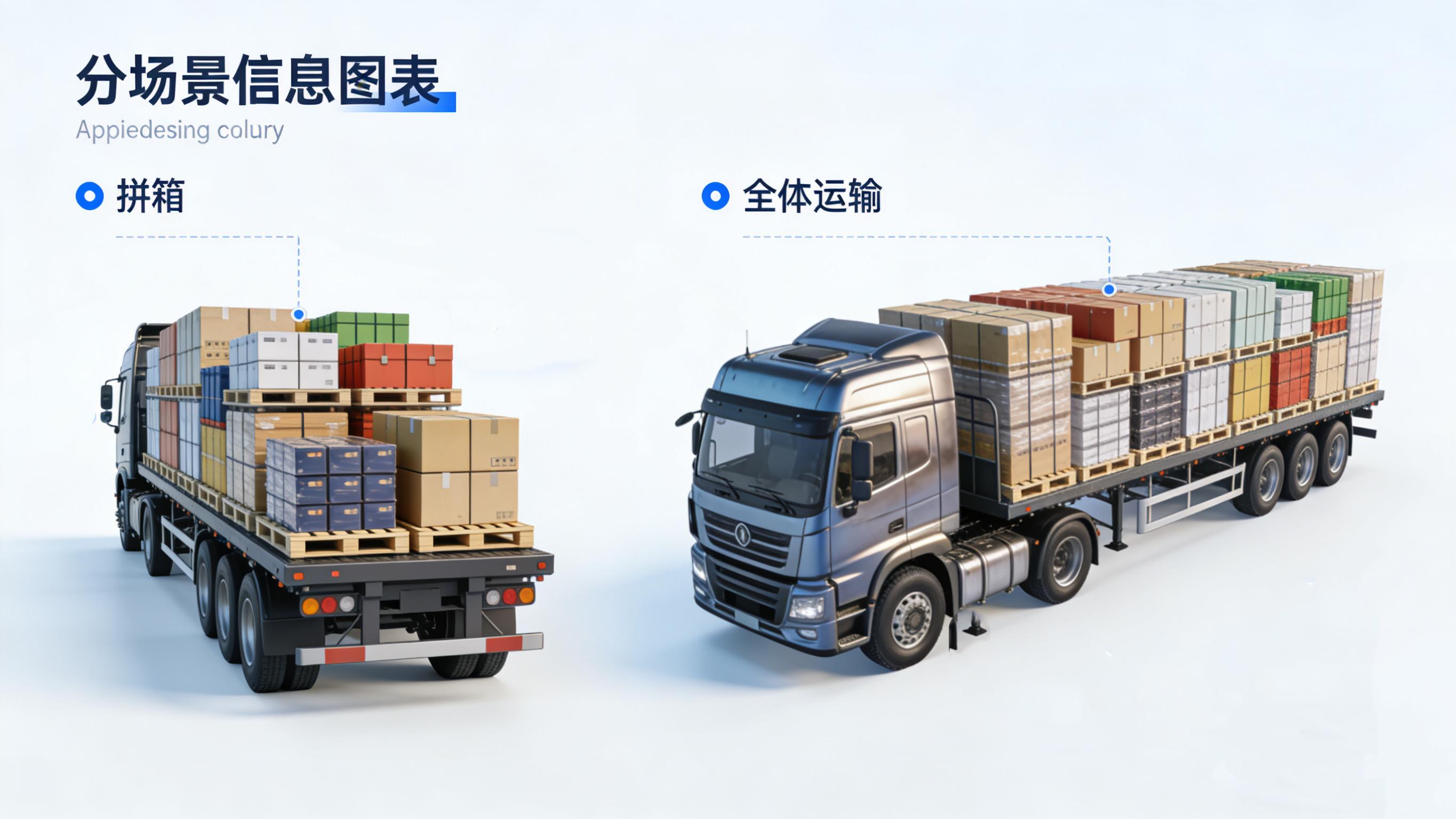
يُعدّ قرار شحن البضائع جزئيًا (LTL) أو حجز حمولة شاحنة كاملة (FTL) قرارًا أساسيًا. يلخص الجدول أدناه أهم العوامل المؤثرة. الاختلافات:
| ميزة | الشحن بالشاحنات الصغيرة | الشحن بالشاحنات الكاملة |
|---|---|---|
| حجم الشحنة | عادةً ما يتراوح وزنها بين 150 و15000 رطل (من 1 إلى 6 منصات نقالة). تشترك في شاحنة واحدة مع عدة شركات شحن. | عادةً ما يزيد وزنها عن 20,000 رطل (تملأ مقطورة كاملة). شاحنة مخصصة لعميل واحد. |
| هيكل التكلفة | تدفع فقط مقابل المساحة/الوزن الذي تستخدمه. زيادة فئة الشحن أو الخدمات الإضافية ترفع الأسعار. | تدفع ثمن المقطورة كاملة، حتى لو لم تكن ممتلئة. |
| سرعة التوصيل | أبطأ/أكثر تقلباً: تتوقف الشاحنات عدة مرات لتفريغ حمولات أخرى. وتكون تقديرات التسليم أقل قابلية للتنبؤ. | سريع/مباشر: الشاحنة تسير من نقطة إلى أخرى دون توقف. الجداول الزمنية أكثر موثوقية. |
| التعامل مع المخاطر | زيادة عمليات المناولة: يتم تحميل/تفريغ البضائع في المحطات الرئيسية ونقلها عبر المستودعات، مما يزيد من خطر التلف. | تقليل عمليات المناولة: يتم تحميل الشحنة مرة واحدة وإغلاقها بإحكام حتى التسليم. انخفاض مخاطر التلف. |
| الأفضل لـ | للأحمال الصغيرة والمتوسطة أو الشحنات غير المتكررة. حل اقتصادي عندما لا يبرر حجم الشحنة استخدام شاحنة كاملة. | الشحنات الكبيرة أو الثقيلة أو الحساسة للوقت. مثالية للشحنات السائبة أو الشحنات ذات القيمة العالية. |
باختصار، عادةً ما يكون LTL أرخص للشحنات الصغيرةلأنك تدفع بشكل نسبي. يوفر لك الشحن الجزئي (LTL) وفورات أكبر في التكاليف عند شحن عدد قليل من المنصات في المرة الواحدة. هذا أرخص... فأنت تدفع فقط مقابل المساحة التي تستخدمها. يُعد الشحن الكامل (FTL) خيارًا مناسبًا إذا كان بإمكانك ملء شاحنة كاملة (أو ما يقاربها)، أو إذا كنت بحاجة إلى شاحنة مخصصة للتسليم السريع من محطة واحدة. ضع في اعتبارك أن الشحن الجزئي (LTL) غالبًا ما يتضمن محطات متعددة، مما قد يُطيل وقت النقل ويتطلب المزيد من المناولة. في المقابل، تنتقل شحنات الشحن الكامل (FTL) مباشرة من المنشأ إلى الوجهة بأقل قدر من المناولة.
بالنسبة للشركات الصغيرة وبائعي التجارة الإلكترونية، فإن مزايا الشحن الجزئي (LTL) كبيرة:
انخفاض تكاليف الشحن: تدفع فقط مقابل الجزء الذي تستخدمه من المقطورة. فبدلاً من استئجار شاحنة كاملة لحمولة صغيرة، يتم دمج شحنتك مع شحنات أخرى، مما يوفر المال تلقائيًا بأقل جهد.
تحسين التدفق النقدي والمخزون: تتيح خدمة الشحن الجزئي (LTL) للشركات شحن كميات أصغر وبشكل متكرر، مما يقلل الحاجة إلى تخزين كميات كبيرة من البضائع ويسمح بإعادة التخزين بشكل أسرع. وبذلك، تستطيع الشركات الاستجابة بسرعة لتغيرات الطلب دون دفع مبالغ زائدة مقابل مساحة التخزين.
أمان مُعزز: تُعبأ الشحنات الجزئية عادةً على منصات نقالة أو في صناديق خشبية. وهذا يعني تأمين الشحنات بشكل جيد، حيث يقوم العديد من شركات النقل بتتبع المنصات طوال فترة النقل. ويتم موازنة عمليات النقل المتكررة بتغليف آمن؛ فكما يشير أحد الشاحنين، غالبًا ما تكون الشحنات الجزئية الأصغر حجمًا والمُعبأة على منصات نقالة أكثر أمانًا وأسهل تتبعًا من شحنات الطرود السائبة.
صديق للبيئة: الشحنات المجمعة من نوع LTL تعني عدد أقل من الشاحنات الإجمالية أثناء النقل. ونتيجة لذلك، يقلل الشحن الجزئي (LTL) بشكل ملحوظ من البصمة الكربونية مقارنةً بإرسال كل شحنة على حدة. باختيار الشحن الجزئي، لا توفر الشركات المال فحسب، بل تقلل أيضًا من استهلاك الوقود والانبعاثات.
المرونة وخيارات الخدمة: تقدم العديد من شركات النقل الجزئي مجموعة من الخدمات (مثل الرافعات الهيدروليكية، والتوصيل إلى المنازل، والتسليم المضمون، وتأمين الشحن) التي يمكن تخصيصها لتلبية احتياجات الشاحن. كما اعتمدت هذه الشركات تقنيات متطورة - مثل التتبع الإلكتروني، وأنظمة التسعير الذاتي، وأنظمة إدارة النقل - مما يجعل الشحن الجزئي أكثر كفاءة وسهولة في الاستخدام.
وبسبب هذه المزايا، يعتبر الشحن الجزئي (LTL) خيارًا شائعًا للشركات الصغيرة والمتوسطة الحجم. تُعدّ خدمة الشحن الجزئي (LTL) مثالية للشركات الصغيرة التي تشحن منتجاتها. لأنه يجلب "العديد من الفوائد التي تؤثر بشكل مباشر على العمل وربحيته."
العمل مع شركة نقل شحنات جزئية موثوقة أو خدمات لوجستية خارجية يُعدّ ذلك أمراً ضرورياً لتحقيق أقصى استفادة من هذه المزايا. عند اختيار مزوّد خدمة الشحن الجزئي (LTL)، ضع في اعتبارك ما يلي:
تغطية الخدمة: تأكد من أن شركة الشحن تعمل في المناطق والمسارات التي تشحن إليها. يجب عليك التأكد من أن أي شركة شحن تستخدمها تغطي مواقع الاستلام والتسليم الخاصة بك.
خدمات خاصة: هل تلبي شركة النقل احتياجاتك؟ على سبيل المثال، إذا كنت بحاجة إلى خدمة الاستلام من داخل المبنى، أو خدمة الرافعة الخلفية، أو خدمة التوصيل المميزة، فتأكد من توفر هذه الخدمات الإضافية. سيناقش شريك النقل الجيد متطلبات شحنتك الخاصة (مثل التبريد، أو المواد الخطرة، أو الرفع الثقيل) وسيوضح أي رسوم إضافية مقدمًا.
التكنولوجيا والدعم: ابحث عن مزودي خدمات يقدمون أدوات التسعير والتتبع عبر الإنترنت. توفر أفضل شركات النقل والوسطاء للشحنات الجزئية اليوم بوابات إلكترونية تتيح لك الحصول على عروض أسعار متعددة بسرعة وتتبع الشحنات لحظة بلحظة. هذه الشفافية تُسهّل عملية التخطيط. قيّم أيضًا خدمة العملاء؛ فالدعم المتاح على مدار الساعة أو وجود مندوب مخصص يمكن أن يساعدك في حل المشكلات بسرعة.
السمعة والموثوقية: راجع تقييمات شركات النقل أو استشر زملائك للحصول على توصيات. تشمل المؤشرات الرئيسية معدلات التسليم في الوقت المحدد، ونسب المطالبات، وتقييمات السلامة. حتى بين شركات النقل الكبيرة، تختلف مستويات الخدمة. من الحكمة مقارنة الأسعار والخدمات لدى عدة شركات نقل شحنات جزئية.
التكاليف والاتفاقيات: راجع كيفية حساب شركة الشحن للأسعار وتأكد من عدم وجود رسوم خفية. إذا كنت تشحن بشكل متكرر، ففكر في التفاوض على عقد شحن بكميات كبيرة بأسعار مضمونة.
في شركة دي آر ترانس، نساعد كل عميل على حلّ معضلات الشحن الخاصة به من خلال ربط الشحنات بشركات النقل المناسبة. بفضل شبكة موثوقة من شركات النقل الإقليمية والوطنية للشحنات الجزئية، بالإضافة إلى دعم إرسال متواصل على مدار الساعة، تضمن دي آر ترانس توفير سعة كافية وتحسين المسارات بما يتناسب مع احتياجاتك. يضمن خبراؤنا التعامل مع شحناتك بأمان وفي الموعد المحدد، مما يوفر لعملائنا حلول نقل أكثر احترافية.
ماذا تعني LTL في مجال الشحن؟
يرمز LTL إلى شحنة أقل من حمولة شاحنة كاملةهذا يعني أن شحنتك لا تملأ مقطورة كاملة. يتم تجميع شحنات النقل الجزئي (LTL) مع شحنات عملاء آخرين في نفس الشاحنة. على سبيل المثال، يتم وضع حمولة منصة نقالة وزنها 2000 رطل على شاحنة نقل جزئي (LTL) مع منصات نقالة أخرى حتى تمتلئ المقطورة تقريبًا. يُعد هذا الخيار مثاليًا للشحنات التي تكون كبيرة جدًا بالنسبة لخدمة الطرود ولكنها صغيرة جدًا بحيث لا تبرر استخدام شاحنة كاملة.
كيف يتم تحديد أسعار شحن البضائع الجزئية (LTL)؟
تعتمد شركات النقل الجزئي للشحنات على عدة عوامل لتحديد أسعارها. وتشمل المدخلات الرئيسية المسافة التي يتم شحنها، ووزن الشحنة وأبعادها، وفئة الشحن (التي تأخذ في الاعتبار الكثافة والتعامل). تعتمد أسعار الشحن الجزئي (LTL) بشكل كبير على تصنيف شحناتك، بالإضافة إلى وزنها وكثافتها وقيمتها.في الواقع، عادةً ما تحصل على سعر لكل مائة رطل (CWT): فالطريق الأطول يكلف أكثر، والأحمال الأثقل أرخص لكل رطل من الأحمال الأخف. وتضيف الخدمات الخاصة (مثل خدمة الرافعة الخلفية أو التوصيل إلى المنازل) رسومًا إضافية. ولحساب التكلفة الإجمالية، يجمع الناقلون كل هذه العناصر في مبلغ إجمالي.
ما هي فوائد استخدام الشحن الجزئي (LTL)؟
توفر خدمة الشحن الجزئي (LTL) العديد من المزايا. يوفر الماللأنك تدفع فقط مقابل مساحة المقطورة التي تستخدمها. كما يتيح ذلك للشركات شحن حمولات أصغر وأكثر تكرارًا، مما يحسن إدارة المخزون. وتعني عملية تجميع الشحنات عدد أقل من الشاحنات على الطريقلذا فهي أكثر ملاءمة للبيئة. ولأن شحنات النقل الجزئي (LTL) تُعبأ على منصات نقالة ويتم تتبعها، فإنها عادةً ما تكون أكثر أمانًا وأسهل في الإدارة من العديد من شحنات الطرود الصغيرة. وأخيرًا، غالبًا ما توفر شركات النقل الجزئي خيارات مرنة (مثل خدمات الشحن السريع، والتسليم المضمون، وما إلى ذلك)، مما يمنح الشاحنين تحكمًا أكبر في عملياتهم اللوجستية.
كيف أختار شركة شحن البضائع الجزئية (LTL)؟
لاختيار أفضل شركة نقل شحنات جزئية (LTL)، ابدأ بالتأكد من أنها تغطي مسارات الشحن المطلوبة. تحقق من أن أي شركة نقل أو مزود خدمات لوجستية (3PL) يغطي مناطق الاستلام والتسليم. تأكد من أنها تقدم الخدمات التي تحتاجها (المناولة الخاصة، المعدات، التأمين). قارن عروض الأسعار ومستويات الخدمة: نظرًا لهيمنة عدد قليل من شركات النقل على السوق، فإن استخدام منصة تجميع عروض أو مزود خدمات لوجستية (3PL) يُمكنك من الحصول على أفضل سعر بسرعة. اطلع على مؤشرات الأداء (معدل الالتزام بالمواعيد، مطالبات الأضرار) واقرأ آراء العملاء إن وجدت. باختصار، اختر شركة نقل موثوقة، تمتلك المعدات المناسبة، وتقدم أسعارًا شفافة. يمكن لشركات مثل DR Trans مساعدتك من خلال الاستفادة من شبكة شركات النقل وخبرتها لإيجاد حلول الشحن الجزئية (LTL) الأكثر احترافية وفعالية من حيث التكلفة لشحناتك.
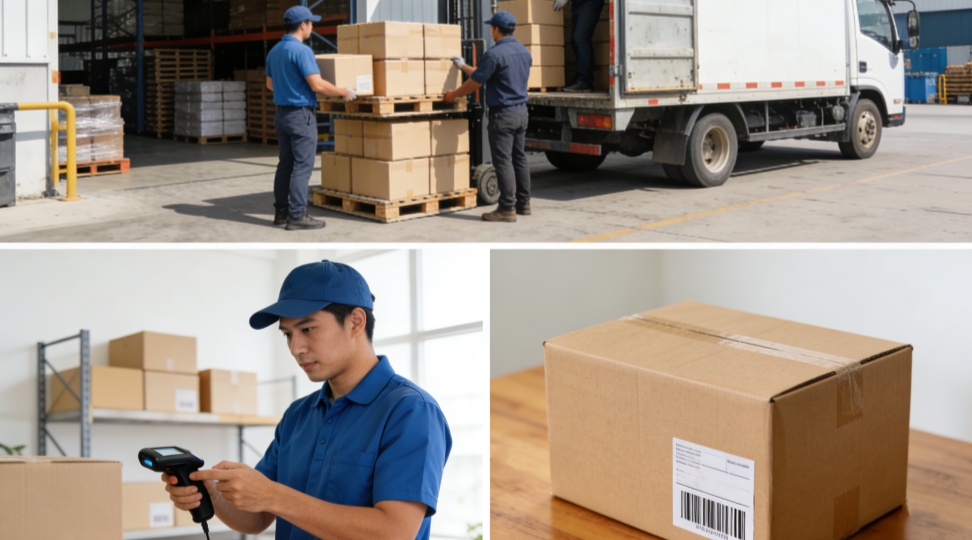
يمكن لشحن البضائع الجزئية (LTL) أن يخفض التكاليف بشكل ملحوظ ويحسن الكفاءة للشركات الصغيرة والمتوسطة. بفهم آلية عمل الشحن الجزئي، وكيفية تحديد الأسعار، ومقارنته بالشحن الكامل، يمكنك اتخاذ قرارات شحن مدروسة. إذا كنت تشحن حمولات جزئية بشكل متكرر، فإن الشحن الجزئي غالبًا ما يكون الخيار الأمثل. التعاون مع مزود خدمات لوجستية خبير مثل DR Trans يضمن لك الاستفادة الكاملة من مزايا الشحن الجزئي، وحل تحديات الشحن لديك من خلال التوجيه الاحترافي وشبكة نقل قوية.

 IPv6 دعم الشبكة