


Learn about China to Russia shipping costs, transit times, and winter cargo protection. Discover how TIR road transport helps reduce cargo handling risks and supports reliable deliveries to Russia.
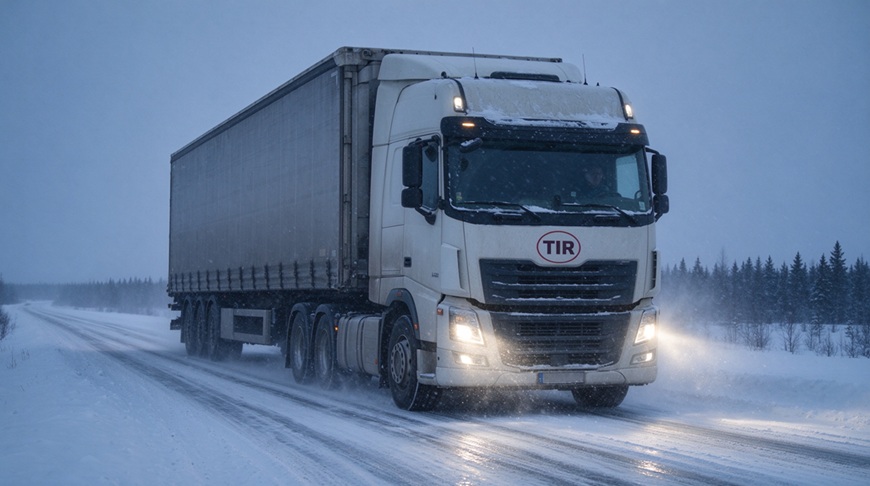
Shipping goods from China to Russia in winter requires careful planning. Importers must consider freight costs, delivery schedules, customs clearance, freezing temperatures, snow, and the risks associated with cargo handling. For businesses supplying Russian wholesalers, retailers, and e-commerce sellers on platforms such as Wildberries and Ozon, these factors can affect inventory planning and profitability.
For applicable routes, TIR road transport from China to Russia takes approximately 8–14 days, while rail freight typically takes 18–25 days and standard truck freight around 20–25 days. Actual transit times depend on the route, customs procedures, weather conditions, and final destination.
So, how can businesses control shipping costs while protecting cargo during winter? The key is to choose a suitable transport solution, prepare cargo for low temperatures, and allow sufficient time for potential delays. DR Trans provides China–Russia road and rail freight solutions to help businesses plan international shipments according to their cargo requirements and delivery schedules.
In this guide, we explore the main factors affecting China to Russia shipping costs, how to plan transit times, and how TIR transport can help reduce cargo handling risks during winter.
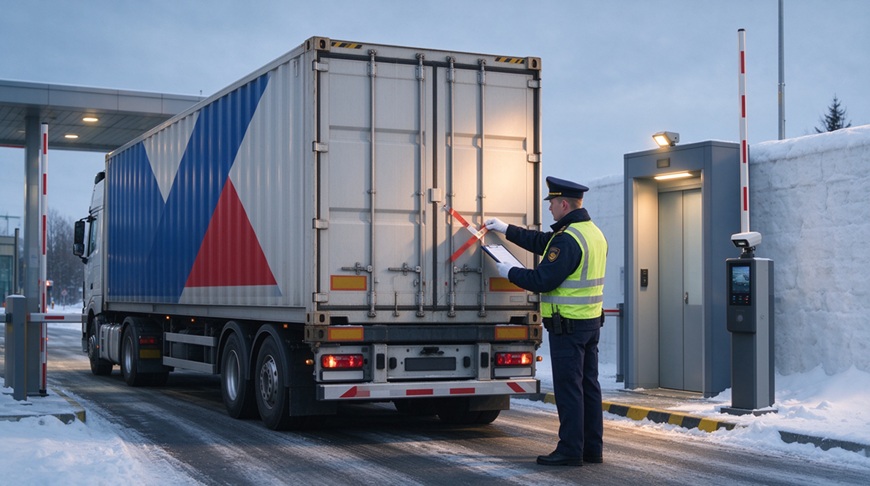
One of the most common questions importers ask is: How much does it cost to ship goods from China to Russia?
There is no single fixed price for China–Russia freight. The total cost depends on cargo specifications, the origin and destination, transport arrangements, seasonal conditions, and the services included in the quotation.
Cargo weight and volume
Freight rates may be calculated according to actual weight, volumetric weight, loading space, or a full-truck rate. Accurate cargo dimensions and packing details help logistics providers recommend the most suitable service.
Origin and destination
Shipping from Guangzhou to Moscow may cost differently from shipping from Yiwu, Shanghai, or other Chinese cities. The final delivery location in Russia also affects routing and domestic delivery expenses.
Transport method
TIR road freight, rail freight, and standard trucking have different cost structures. Faster delivery or dedicated vehicle capacity may cost more, while rail freight can be competitive for suitable larger shipments.
Customs clearance and documentation
Export declarations, Russian import customs clearance, applicable duties and taxes, and product certification requirements can all affect the total logistics budget.
Winter-related expenses
Winter weather may affect vehicle operating conditions, route planning, and delivery schedules. Depending on the circumstances, additional expenses may arise from storage, handling, delays, or special cargo protection.
A low freight rate does not always mean a lower total shipping cost. Before choosing a provider, confirm whether the quotation includes:
Pickup and domestic transportation in China
International freight charges
Customs clearance services
Border or terminal handling fees
Applicable duties and taxes
Cargo insurance, if required
Final delivery to the destination warehouse
Seasonal surcharges or other additional fees
Ask for a clear breakdown of included and excluded charges. Comparing quotations on the same basis helps reduce unexpected expenses and makes it easier to identify the most cost-effective solution.
For a shipment-specific quotation, contact DR Trans with your cargo description, dimensions, gross weight, pickup city, destination, and required delivery date.
Transit time is particularly important for seasonal goods, retail inventory replenishment, and shipments with fixed warehouse delivery deadlines.
When calculating China to Russia transit time, businesses should consider the entire shipping process rather than only the time spent on the road or railway.
Several factors can affect international freight schedules:
Customs procedures: Incomplete documentation, incorrect cargo descriptions, or additional inspections can delay clearance.
Border congestion: Traffic volumes and border operating capacity may affect crossing times.
Winter weather: Snow, ice, poor visibility, and extreme cold can affect road conditions and vehicle operations.
Cargo handling: Transfers, loading, unloading, and waiting times can extend the overall delivery schedule.
Final delivery arrangements: Warehouse appointments and domestic transportation in Russia may add time after international transit.
Start by confirming the date when your goods need to arrive at the destination warehouse. Then select an appropriate shipping method, confirm the expected departure schedule, and allow a reasonable buffer for customs procedures and winter disruptions.
For seasonal inventory, avoid relying solely on the fastest advertised transit time. A realistic schedule with contingency time is more useful than an optimistic estimate that leaves no room for unexpected delays.
Working with an experienced logistics provider can help businesses coordinate pickup, international transport, customs documentation, and final delivery more effectively.
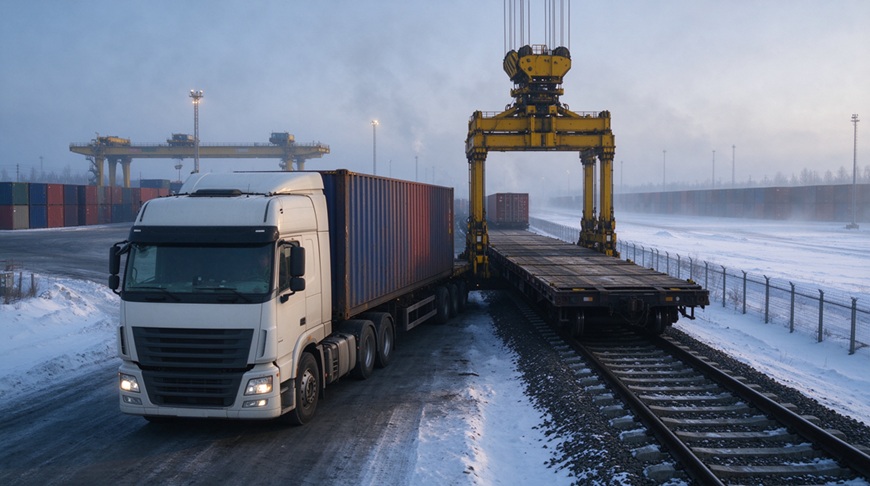
Winter freight transportation introduces several risks that importers should address before dispatch. Low temperatures can affect certain products and packaging materials, while snow and rain can increase moisture exposure during loading and unloading. Icy roads and poor visibility can also disrupt delivery schedules.
TIR road transport can help manage some of these risks, particularly when cargo remains inside a suitable enclosed vehicle throughout the journey.
TIR stands for Transports Internationaux Routiers, or International Road Transport. It is an international customs transit system designed to facilitate cross-border transportation under specified customs procedures.
For eligible shipments, goods can be transported in approved vehicles or containers secured with customs seals, subject to applicable rules and inspection requirements.
TIR is a customs transit system, not a temperature-control service. It does not automatically prevent weather-related delays, eliminate customs inspections, or protect temperature-sensitive goods from freezing.
Its practical value lies in facilitating international transit and, where route arrangements permit, reducing unnecessary cargo handling.
Every time cargo is unloaded, transferred, and reloaded, there is another opportunity for cartons to be crushed, pallets to shift, or products to sustain damage.
On suitable TIR routes, cargo can remain inside the same sealed truck for much of the journey. Fewer transfers can reduce handling-related risks and help preserve the condition of the shipment.
This can be especially useful for fragile packaging, retail-ready goods, household appliances, and other products that benefit from careful handling.
Snow, rain, and melting ice can create problems when cargo is exposed during loading, unloading, or transshipment.
A properly maintained enclosed vehicle helps protect goods from direct exposure to precipitation during transit. However, a customs seal alone does not guarantee waterproofing or eliminate condensation.
Importers should still use appropriate moisture-resistant packaging, pallet wrapping, protective materials, and desiccants where necessary.
Cargo security is particularly important when transporting valuable goods across international borders.
Customs seals and appropriate security procedures can help identify unauthorized access to a sealed cargo compartment. Reducing transfers may also decrease the number of handling points that need to be coordinated.
Before dispatch, importers should confirm the carrier's security arrangements, tracking capabilities, and procedures for reporting incidents.
Road freight offers routing flexibility for shipments moving from Chinese industrial areas to Russian distribution centers.
This can help businesses coordinate factory pickup, border crossing, and warehouse delivery. Nevertheless, road transport remains vulnerable to snow, ice, road closures, border congestion, and other winter disruptions.
TIR should therefore be considered part of a broader winter logistics strategy rather than a guarantee of uninterrupted delivery.
TIR can help reduce certain transport risks, but effective winter cargo protection begins before loading.
Some plastics, adhesives, protective films, and packaging materials can become brittle in cold weather. Confirm that cartons, cushioning materials, straps, and pallets are suitable for the expected transportation conditions.
Fragile products should be adequately cushioned, and heavy goods should not be stacked on packaging that cannot support their weight.
Temperature changes can cause condensation, especially when cold goods enter a warm warehouse or moisture becomes trapped inside packaging.
Use suitable moisture-resistant packaging and avoid placing cartons directly on wet floors. For moisture-sensitive products, consider appropriate moisture barriers and desiccants.
Packaging requirements should be determined by the product, route, and expected storage conditions.
Not all products can withstand freezing temperatures.
Electronics, batteries, cosmetics, adhesives, and certain chemicals may have specific storage and transportation requirements. Always check the manufacturer's recommended temperature range before shipping.
If a shipment requires controlled temperatures, use a suitable temperature-controlled vehicle or another validated solution. A standard enclosed TIR truck does not automatically maintain a stable internal temperature.
For temperature-sensitive goods, consider temperature monitoring and retain records where necessary.
Winter roads may involve vibration, sudden braking, and uneven driving conditions. Proper palletization and load securing help prevent cartons from shifting during transport.
Use suitable straps, corner protectors, and blocking materials. Distribute the load according to vehicle requirements and avoid stacking arrangements that could damage lower cartons.
Incorrect or incomplete paperwork can cause delays regardless of the transport method or weather.
Before dispatch, check the commercial invoice, packing list, cargo description, HS codes, export documents, and applicable Russian import requirements. Depending on the goods, product conformity documents, permits, or additional certificates may also be required.
A professional freight forwarder can help coordinate documentation, but importers should confirm the requirements applicable to their specific products.
TIR road freight and rail freight each offer different advantages. The right option depends on cargo requirements, delivery deadlines, and budget.
TIR road transport may be suitable for businesses prioritizing delivery speed, flexible routing, and fewer cargo handling operations on applicable routes. Rail freight can be attractive for larger shipments that can accommodate longer transit times.
Winter conditions can affect both methods. Road transport may be disrupted by snow and icy roads, while rail shipments can be affected by terminal operations, transfers, and schedule changes.
When comparing quotations, ensure that the origin, destination, cargo specifications, customs scope, and delivery terms are consistent.
The goal is not simply to choose the fastest or cheapest option, but to select the transport solution that best balances total cost, delivery requirements, and cargo protection.
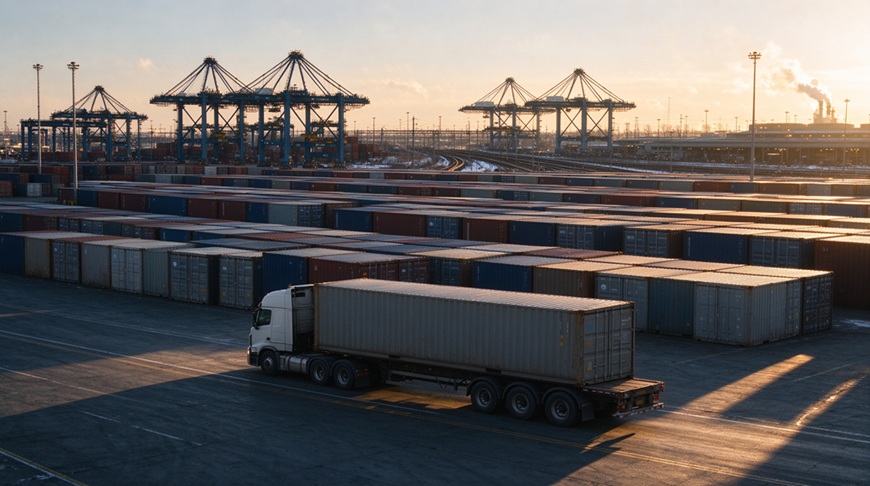
Planning winter shipments involves more than booking a truck or reserving rail capacity. Importers must coordinate pickup, export procedures, international transit, customs documentation, and delivery to the final destination.
DR Trans provides China–Russia road and rail transportation solutions for businesses with different cargo volumes, delivery schedules, and budget requirements.
When evaluating a shipment, businesses should consider:
Whether TIR road freight or rail transport is more suitable
Which route and transit estimate fit the delivery schedule
What cargo information is needed for an accurate quotation
Which customs and product documents may be required
Whether special packaging or temperature control is necessary
How to coordinate international transport with final warehouse delivery
The most suitable solution is not necessarily the fastest or cheapest service in isolation. It is the option that meets the shipment's requirements while keeping total logistics costs and risks under control.
To discuss a shipment from China to Russia, visit the DR Trans website and provide your cargo details, origin, destination, and target delivery date.
Transit time depends on the route, transport method, customs procedures, and final destination. For applicable DR Trans services, TIR road freight takes approximately 8–14 days, rail freight approximately 18–25 days, and standard truck freight approximately 20–25 days. These are reference estimates rather than guaranteed delivery times.
Shipping costs depend on cargo weight and volume, origin, destination, transport method, seasonal conditions, customs requirements, and the services included in the quotation. For an accurate estimate, provide cargo dimensions, gross weight, pickup city, destination, and required delivery date.
TIR is an international customs transit system that facilitates cross-border road freight under specified customs procedures. Eligible cargo can be transported in approved vehicles or containers secured with customs seals, subject to applicable rules and inspections.
No. TIR is a customs transit system, not a temperature-control service. Protection against freezing requires suitable packaging, temperature assessment, and, when necessary, a vehicle capable of maintaining the required temperature.
The answer depends on the cargo, route, packaging, and handling arrangements. TIR road freight may reduce cargo transfers on suitable routes, while rail can be economical for larger shipments. Both methods require appropriate winter planning and cargo protection.
Choose a suitable transport method, use packaging appropriate for low temperatures, protect moisture-sensitive goods, secure pallets properly, confirm temperature requirements, prepare customs documents in advance, and allow extra time for potential weather or border delays.
TIR road freight may suit commercial goods that require flexible routing, relatively short transit times, or fewer cargo handling operations. Suitability should be assessed according to cargo value, dimensions, fragility, temperature sensitivity, and delivery deadlines.
Shipping from China to Russia during winter requires a balance between transportation costs, transit times, cargo protection, and customs planning.
TIR road freight may offer a useful solution for businesses prioritizing delivery speed, routing flexibility, and fewer cargo handling operations on suitable routes. Rail freight can be a cost-effective alternative for larger shipments with more flexible delivery schedules.
However, no transport method can eliminate every winter risk. Appropriate packaging, accurate documentation, realistic delivery planning, and suitable temperature protection remain essential.
By understanding shipping costs, transit times, and winter cargo requirements, importers can make better logistics decisions and prepare their supply chains for seasonal challenges.
Planning a shipment from China to Russia? Contact DR Trans to discuss your cargo requirements and compare suitable road and rail freight options.

 IPv6 دعم الشبكة