


When machinery components, production equipment or essential materials arrive late, the consequences can extend far beyond transportation costs. Factory schedules may be disrupted, warehouse inventory may become insufficient, and delivery commitments to downstream customers may be affected.
This is why choosing the right China–Russia logistics solution matters.
A reliable road freight arrangement should provide more than a truck and a delivery date. It requires careful shipment planning, suitable vehicle capacity, coordinated customs procedures and continuous communication throughout the transportation process.
For businesses importing industrial goods from China, TIR direct truck transport can provide a practical way to improve delivery coordination, reduce unnecessary cargo handling and maintain a more predictable supply chain.
Industrial supply chains often operate according to production schedules rather than individual shipment requirements.
A factory may need several batches of components from different Chinese suppliers. If one critical shipment arrives late, the entire production schedule could be affected.
Common transportation challenges include:
Unpredictable delivery schedules: Delays at border crossings or during transportation can affect production planning.
Multiple cargo handling points: Repeated loading, unloading or transshipment can increase the risk of damage.
Poor shipment coordination: Different suppliers may have different cargo-ready dates, making transportation arrangements more complicated.
Insufficient transportation capacity: A logistics provider may struggle to arrange suitable vehicles during periods of high demand.
Customs documentation problems: Incorrect or incomplete shipping information can cause unnecessary delays.
For industrial importers, the objective should not simply be to find the lowest freight rate. It should be to establish a transportation process that supports continuous supply and reduces operational uncertainty.
Not every shipment has the same delivery requirements.
Some industrial materials can be transported according to a flexible schedule, while essential components may need to arrive within a specific production window.
For example, a manufacturer in Russia importing machinery components from China may need regular deliveries every two weeks. Another company may require urgent transportation for replacement parts to prevent production downtime.
In these situations, transportation planning should consider:
Cargo readiness at the supplier's warehouse
Required delivery dates at the Russian destination
Cargo volume, weight and dimensions
Vehicle availability and loading arrangements
Border procedures and potential transit delays
TIR direct truck transport is particularly suitable for shipments where direct road transportation and fewer intermediate handling operations are important.
By arranging transportation around the customer's production schedule, businesses can better coordinate incoming materials with warehouse capacity and manufacturing requirements.
DR Trans provides China–Russia road transport solutions for businesses requiring international cargo transportation between China and Russia.
Cargo handling is an important factor in industrial transportation.
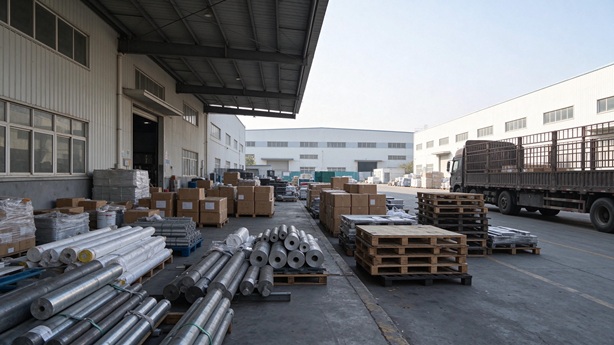
Machinery parts, precision components and production equipment may be sensitive to vibration, improper stacking or repeated loading and unloading.
Every additional handling operation introduces another opportunity for cargo damage, packaging deterioration or shipment mismanagement.
A direct truck transportation arrangement can help reduce these risks by minimizing unnecessary transfers between different vehicles or transportation facilities.
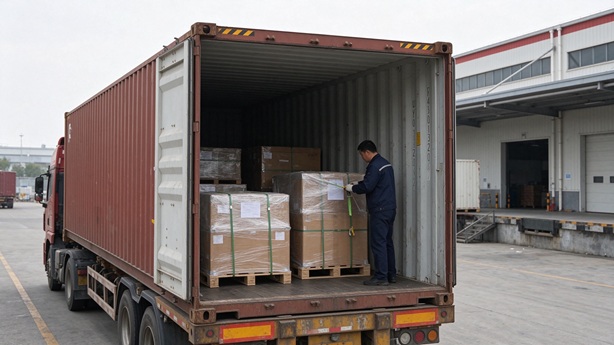
To improve cargo protection, importers and logistics providers should pay attention to:
Appropriate packaging for international road transportation
Weight distribution and load stability
Proper securing of machinery and industrial components
Vehicle suitability for cargo dimensions and characteristics
Inspection of packaging and cargo condition before departure
TIR transportation can also support more efficient cargo movement through its customs transit framework. Under the TIR system, cargo is generally transported under customs seals, reducing the need for routine cargo inspections at intermediate borders. Customs authorities nevertheless retain the right to inspect shipments when necessary.
The UNECE introduction to the TIR system explains how international customs transit works and why sealed transportation is an important part of the system.
For industrial importers, fewer unnecessary handling operations can mean better cargo protection and more controlled transportation procedures.
Customs coordination is another essential part of reliable China–Russia road transport.
Even when a transportation route is properly arranged, incomplete or inconsistent documentation can create delays.
Before dispatch, importers and logistics providers should confirm that the relevant documents and shipment information are consistent.
Depending on the cargo and applicable customs requirements, the documentation may include:
Commercial invoice
Packing list
Sales contract
Export customs declaration information
Cargo descriptions and HS codes
Certificates, permits or other supporting documents when required
TIR Carnet and related transit documentation, where applicable
Particular attention should be paid to cargo descriptions, quantities, declared values, weights and product classifications.
For industrial equipment, it is also important to confirm whether the shipment requires additional technical documentation or special transportation arrangements.
The World Customs Organization's SAFE Framework of Standards provides an international reference for improving supply chain security and facilitating legitimate cross-border trade.
Working with an experienced logistics provider before cargo departure helps identify potential documentation issues earlier rather than waiting until the shipment reaches a border.
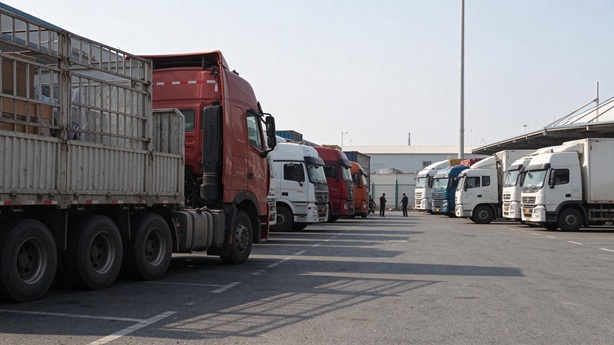
Transportation capacity directly affects whether an importer can maintain a stable delivery schedule.
A logistics provider that depends entirely on temporary vehicle resources may face difficulties when demand increases or several shipments need to be dispatched simultaneously.
For industrial businesses, it is important to evaluate more than the quoted freight price.
Consider the following factors:
Fleet availability
Can the provider arrange suitable trucks for your cargo volume, dimensions and transportation requirements?
Route experience
Does the provider have practical experience organizing international road transportation between China and Russia?
Customs coordination
Can the logistics team assist with transportation documents, customs procedures and transit arrangements?
Communication
Can the provider provide timely shipment updates and respond when transportation conditions change?
Shipment management
Does the provider have a clear process for coordinating loading, dispatch, transit and final delivery?
DR Trans has its own international truck fleet and provides TIR direct truck transportation services. Its transportation resources include different vehicle types designed to accommodate various cargo requirements.
With transportation experience across China–Russia and other Eurasian trade routes, DR Trans works with customers to arrange suitable transportation solutions for different shipment requirements.
Learn more about DR Trans and its international transportation capabilities.
For companies importing from China regularly, arranging every shipment separately can create unnecessary administrative work and make delivery schedules harder to manage.
A more effective approach is to develop a recurring transportation plan.
For example, a Russian manufacturer purchasing components from several Chinese suppliers could organize shipments according to weekly or monthly production requirements.
A structured shipping plan should include:
| Planning area | What to coordinate |
|---|---|
| Supplier schedule | Confirm when each supplier's cargo will be ready |
| Shipment frequency | Establish weekly, biweekly or monthly dispatch plans |
| Cargo consolidation | Coordinate compatible shipments where appropriate |
| Vehicle capacity | Match truck type and capacity to cargo requirements |
| Delivery schedule | Align estimated arrivals with warehouse and production needs |
| Shipment updates | Maintain communication throughout transportation |
This approach helps businesses understand their upcoming transportation requirements and gives logistics providers more time to arrange vehicle capacity.
For companies with regular cargo volumes, a long-term transportation arrangement can also improve coordination between procurement, logistics and warehouse departments.
A shipment being dispatched does not mean the logistics process is complete.
For industrial importers, knowing where cargo is and whether it is progressing according to schedule is essential for planning warehouse operations and production activities.
A reliable transportation management process should include:
Confirmation of cargo loading and departure
Shipment status updates during transit
Communication about customs or route-related delays
Estimated arrival updates
Confirmation of final delivery
When transportation conditions change, early communication gives importers more time to adjust inventory arrangements or production schedules.
GPS tracking and regular communication can improve shipment visibility and help businesses manage transportation more proactively.
At DR Trans, transportation coordination and shipment monitoring are important parts of organizing international road freight services.
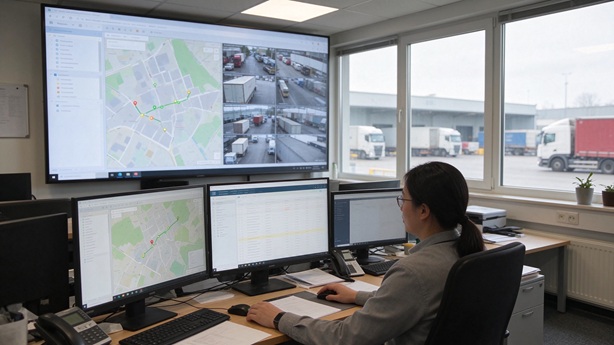
For industrial importers, a dependable logistics partner should understand the relationship between transportation arrangements and business operations.
DR Trans provides international road transportation and TIR direct truck services connecting China and Russia.
Our transportation solutions are designed to support businesses that need reliable cross-border cargo movement, including industrial supply chains.
Key service capabilities include:
TIR direct truck transportation: A road freight solution for businesses seeking direct transportation between China and Russia.
Own truck fleet: Transportation resources for different cargo types and shipment requirements.
Customs coordination: Assistance with transportation documentation and relevant customs procedures.
Cargo handling arrangements: Attention to loading, securing and transportation requirements.
Shipment monitoring: Transportation updates and communication throughout the journey.
For reference, DR Trans uses the following indicative transit times for China–Russia transportation planning:
| Transportation method | Reference transit time |
|---|---|
| TIR direct truck | 8–14 days |
| China–Russia rail freight | 18–25 days |
| Conventional truck transport | 20–25 days |
Actual transit times depend on the departure and destination locations, customs procedures, border conditions, cargo characteristics and transportation arrangements. These figures should be treated as planning references rather than guaranteed delivery times.
If your business needs to coordinate recurring industrial shipments, choosing a transportation solution based on delivery requirements, cargo characteristics and available capacity can make a significant difference.
Stable industrial supply chains depend on consistent transportation arrangements, effective customs coordination and reliable communication.
For Russian manufacturers and importers sourcing machinery, components and production materials from China, road freight can provide the flexibility needed to coordinate international deliveries with business operations.
With TIR direct truck transportation, suitable vehicle resources and coordinated shipment management, DR Trans helps businesses organize cargo transportation between China and Russia.
Planning your next shipment from China to Russia?
Contact DR Trans with your cargo details, including:
Cargo type and description
Loading city in China
Delivery city in Russia
Total weight and volume
Expected cargo-ready date
Required delivery schedule
Our team can help evaluate your transportation requirements and provide a suitable freight solution.
Contact DR Trans for a China–Russia road freight quotation.
DR Trans — Reliable Road Freight Solutions for Your Industrial Supply Chain.

 IPv6 دعم الشبكة