


Whether you are shipping to Kazakhstan, Uzbekistan, Kyrgyzstan, Tajikistan, or Turkmenistan, you need a freight forwarder who understands cross-border transportation, international customs procedures, and the logistics requirements of different destinations.
A reliable China to Central Asia freight forwarder should offer more than transportation arrangements. It should help you select suitable routes, coordinate customs procedures, manage cargo movements, and provide clear communication throughout the shipping process.
So, what should you look for when choosing a logistics partner for shipping from China to Central Asia? Here are seven important factors to consider.
Central Asia includes five countries, but their transportation networks and border procedures are not identical.
For example:
Kazakhstan: Khorgos and Alashankou are important gateways for road and railway freight from China.
Uzbekistan: Cargo can travel through Kazakhstan or Kyrgyzstan, depending on the destination and available route.
Kyrgyzstan: Road transportation through Torugart and Irkeshtam can be suitable for different destination areas.
Tajikistan: Transportation planning needs to consider transit arrangements through neighboring countries.
Turkmenistan: Routes through Kazakhstan or Uzbekistan may be considered depending on the cargo destination and transit requirements.
A freight forwarder should understand these transportation corridors rather than simply offering a standard shipping quotation.
Before choosing a provider, ask:
Which Central Asian countries do you currently serve?
Which border crossings can you arrange?
Do you have experience delivering to my destination city?
Can you recommend alternative routes if transportation conditions change?
A logistics company with practical regional experience can help reduce unnecessary transportation steps and identify potential problems before cargo leaves China.
For a closer look at available transportation corridors, read our guide: Shipping from China to Central Asia: How to Choose the Best Freight Route.
Different shipments have different transportation requirements. A solution suitable for a full container shipment may not be ideal for urgent cargo or smaller consignments.
A professional China to Central Asia logistics partner should understand the advantages of different transportation methods.
Here are three common options:
Road Freight
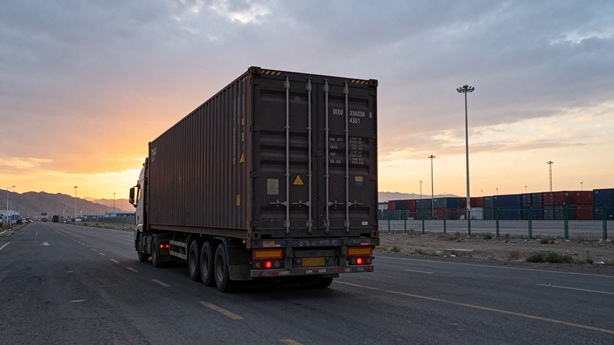
Road transportation offers flexibility in pickup locations, delivery arrangements, and cargo requirements. It is particularly useful when businesses need direct transportation or flexible delivery arrangements.
TIR Truck Transportation
TIR transportation operates under an international customs transit system designed to facilitate cross-border road freight. It can simplify transit procedures for eligible shipments and reduce unnecessary cargo handling.
For example, in April 2025, a TIR transport service connecting China, Kazakhstan, and Uzbekistan was officially launched, demonstrating the growing importance of direct road freight connections in the region.
Source: China–Uzbekistan TIR Transport Service – China Government.
Railway Freight
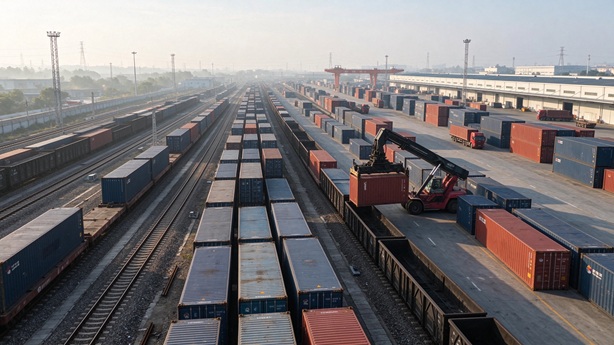
Railway transportation is worth considering for containerized cargo and larger shipments. It can provide a practical balance between transportation costs and delivery schedules, depending on the route and available capacity.
The right choice depends on your cargo volume, delivery deadline, destination, and budget.
At DR Trans, we provide international transportation solutions including TIR trucking, road freight, railway transportation, and multimodal logistics.
Explore our China–Central Asia transportation services to learn more.
Customs procedures are among the most important factors in international freight forwarding.
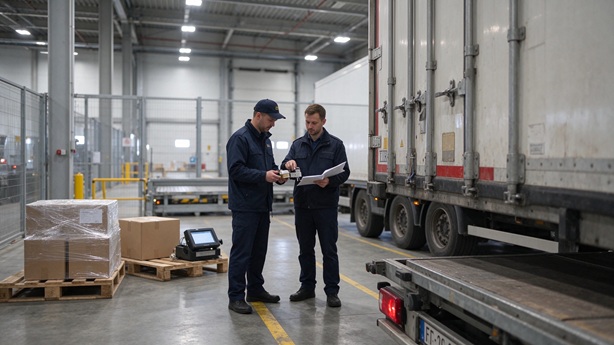
Even when transportation is properly arranged, incomplete documentation or incorrect cargo information can cause delays at the border.
Before shipping, ask your freight forwarder whether they can help coordinate the required documentation, including:
Commercial invoice
Packing list
Cargo description and HS codes
Export customs declaration documents
Certificates of origin, when required
Product certificates or permits, when applicable
Transit and transportation documents
The exact requirements depend on the destination country, product classification, and applicable regulations.
You should also clarify who is responsible for export customs declaration, transit procedures, and import customs clearance.
For TIR shipments, confirm whether the carrier can arrange the required TIR documentation and whether the intended route and cargo are eligible for the procedure.
You can learn more about the international TIR system through the UNECE TIR Convention.
A reliable logistics partner should explain these responsibilities before transportation begins, rather than waiting until the cargo reaches the border.
One important question importers often overlook is whether a logistics company has sufficient transportation resources.
Some freight forwarders rely entirely on external carriers. This does not automatically mean their service is unreliable, but it is important to understand who actually manages your shipment.
When evaluating a provider, consider:
Does the company operate its own trucks?
What types of vehicles are available?
Can it arrange suitable vehicles for different cargo dimensions?
Does it have experience with international road transportation?
Can it coordinate alternative arrangements if transportation problems occur?
For shipments involving machinery, industrial equipment, or oversized cargo, vehicle selection and loading arrangements are particularly important.
DR Trans has its own international transportation resources and offers different truck types to support various cargo requirements.
For more information about specialized road transportation, see our article on Road Transport Services for Machinery and Equipment from China to Central Asia.
International transportation involves multiple stages, including pickup, loading, border transit, customs coordination, and final delivery.
Without proper communication, importers may have difficulty understanding where their cargo is or when it is expected to arrive.
Before choosing a freight forwarder, ask:
Can I receive updates during transportation?
Who is responsible for communicating shipment progress?
Will I be informed about unexpected delays?
Can the company provide updates on border and customs progress?
How will delivery confirmation be provided?
A professional logistics partner should establish a clear communication process.
Ideally, you should receive updates at important stages:
Cargo pickup and loading confirmation.
Departure from the warehouse or factory.
International transportation progress.
Border crossing and customs transit status.
Arrival and final delivery confirmation.
Good communication helps importers manage inventory, coordinate warehouse operations, and plan their next business activities.
A low freight quotation may look attractive, but it does not always represent the actual cost of delivering cargo to its destination.
When comparing China to Central Asia shipping costs, make sure you understand what is included in the quotation.
Ask your freight forwarder to clarify:
Pickup charges in China.
International transportation fees.
Border handling or transloading costs, if applicable.
Customs declaration and clearance service fees.
Destination delivery charges.
Insurance costs, if required.
Import duties and taxes, where applicable.
Also, check whether the quotation is based on gross weight, volume, cargo dimensions, or the type of vehicle required.
For example, a shipment of industrial equipment may require a flatbed truck or specialized loading arrangements, while ordinary cargo may be suitable for a standard truck.
Comparing quotations based on the same service scope will help you understand the real transportation cost.
Remember: the cheapest freight quotation is not necessarily the most economical logistics solution. Unexpected charges, delays, and poor coordination can increase the overall cost of importing goods.
If your company regularly imports goods from China, choosing a freight forwarder should be a long-term business decision.
Working with a consistent logistics partner can make shipment planning easier, improve communication, and help your business develop a more predictable supply chain.
Look for a company that can:
Support regular shipments from different Chinese cities.
Handle different cargo volumes and transportation requirements.
Provide suitable road, TIR, and railway solutions.
Coordinate international transportation and customs procedures.
Maintain communication throughout the shipping process.
Adjust transportation arrangements according to changing business requirements.
For businesses expanding into Central Asian markets, a logistics partner with regional transportation experience can become an important part of the import supply chain.
Choosing the right freight forwarder means finding a company that understands your cargo, destination, transportation requirements, and delivery expectations.
DR Trans provides international freight transportation solutions connecting China with Central Asian markets, including Kazakhstan, Uzbekistan, Kyrgyzstan, Tajikistan, and Turkmenistan.
Our transportation services include:
TIR Truck Transportation: International road transportation solutions for suitable cross-border shipments.
Road Freight: Flexible transportation arrangements for different cargo requirements.
Railway Freight: Transportation solutions for containerized and larger-volume shipments.
Multimodal Transportation: Combined transportation arrangements based on cargo and destination requirements.
With our transportation resources and logistics experience, DR Trans helps businesses evaluate suitable shipping arrangements and coordinate cargo transportation from China to Central Asia.
Whether you are arranging a one-time shipment or planning regular imports, our team can help assess your transportation requirements.
Looking for a reliable freight forwarder from China to Central Asia?
Don't choose a logistics provider based on price alone. Consider its transportation capacity, route experience, customs coordination, and ability to manage your cargo throughout the journey.
Contact DR Trans to discuss your shipment and request a customized freight quotation.
To help us prepare a suitable transportation solution, please provide:
Cargo origin: City or warehouse in China.
Destination: Country and delivery city.
Cargo description: Type of goods.
Gross weight and total volume.
Package dimensions and number of packages.
Preferred transportation method, if any.
Expected cargo-ready date.
Our team will evaluate your requirements and help you identify a suitable transportation arrangement.
DR Trans – Your Logistics Partner for Freight Forwarding from China to Central Asia.
Look for a company with relevant international transportation experience, established route knowledge, customs coordination capabilities, reliable transportation resources, and transparent quotations. You should also check how the company communicates shipment progress.
Road freight, TIR trucking, and railway transportation are all worth considering. Road and TIR transportation can offer greater flexibility for direct delivery, while railway freight may be suitable for larger containerized shipments. The best option depends on cargo volume, destination, budget, and delivery requirements.
The main Central Asian destinations are Kazakhstan, Uzbekistan, Kyrgyzstan, Tajikistan, and Turkmenistan. Available routes and transportation arrangements depend on the final destination and current border conditions.
Commonly required documents include a commercial invoice, packing list, cargo description, HS codes, and transportation documents. Additional certificates, permits, or customs documents may be required depending on the goods and destination country.
Yes. Some freight forwarders can coordinate pickup in China, international transportation, customs-related services, and final delivery. However, you should confirm the exact service scope and customs responsibilities before booking.
Provide the cargo origin, destination, commodity description, gross weight, volume, package dimensions, and expected shipping date. These details allow the freight forwarder to evaluate the appropriate transportation method and calculate a more accurate quotation.

 IPv6 دعم الشبكة